


My name is Cassie Will Darnall, and understanding trauma bonds changed how I viewed my past relationship. For years, I felt deeply attached to someone who also hurt me. The connection felt intense and meaningful, even when it destabilized me. I struggled to explain why leaving felt impossible. Trauma forms gradually through cycles of emotional inconsistency and relief. What felt like love was often my nervous system responding to stress.
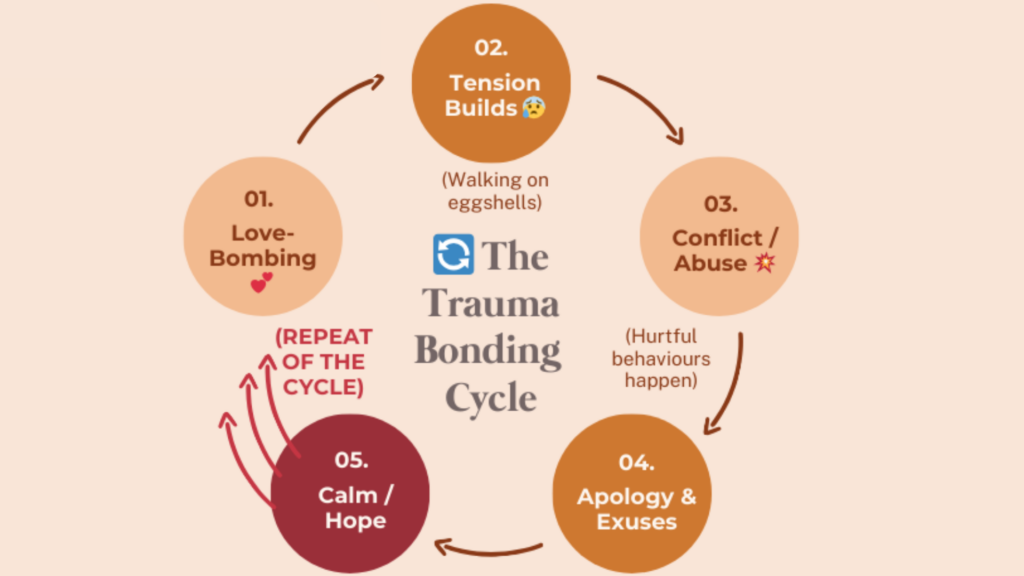
In long-term relationships, trauma develops quietly over time. Periods of closeness are followed by withdrawal or criticism. The nervous system begins associating relief with reconnection. That cycle strengthens attachment instead of weakening it. I believed that if I tried harder, stability would follow. I did not recognize the psychological pattern shaping my reactions.
Recognizing trauma bonds gave me language for confusion. It helped me understand my emotional attachment. I stopped calling myself weak. I saw how my nervous system adapted to stress. That clarity became the first step toward freedom.
How Trauma Bonds Develop in Long-Term Relationships
Trauma bonds did not form overnight in my relationship. They strengthened slowly through repeated emotional cycles. I did not see the pattern while living inside it. What felt like a deep attachment was often nervous-system conditioning. Understanding this shifted everything for me.
Emotional Inconsistency and Attachment
In long-term relationships, inconsistency shapes emotional wiring. Trauma bonds grow when closeness is unpredictable. I experienced warmth followed by withdrawal without explanation. My body stayed alert, waiting for reconnection.
I noticed patterns such as:
- Intense closeness after conflict
- Sudden emotional distance
- Apologies followed by repeated behavior
- Affection tied to compliance
- Withdrawal is used as punishment
Each cycle strengthened attachment. The relief felt powerful after the tension. Bonds tightened through repetition. My nervous system learned to crave reconciliation.
The Nervous System’s Role
Bonds are rooted in survival responses. My nervous system adapted to prolonged emotional stress. I stayed alert to mood shifts constantly. Calm moments felt temporary and fragile.
Over time, I experienced:
- Heightened sensitivity to tone changes
- Anxiety during silence
- Physical tension during disagreements
- Relief during reconciliation
- Emotional dependency on reassurance
My body confused relief with safety. Trauma thrived in that confusion. I did not understand how deeply stress shaped attachment.

Emotional Highs and Lows
Intensity felt meaningful at the time. Trauma Bonds made volatility feel like passion. The emotional highs felt extraordinary after the conflict. I mistook intensity for connection.
This looked like:
- Deep conversations after arguments
- Grand gestures after withdrawal
- Temporary harmony following chaos
- Emotional declarations after distance
- Renewed hope after disappointment
Those highs reinforced attachment powerfully. Trauma bonds fed on unpredictability. Stability would have felt unfamiliar then.
Over time, I realized the pattern was psychological, not romantic. Bonds rely on emotional inconsistency. They condition attachment through stress and relief. What felt personal was neurological. Recognizing this removed some shame. It helped me see the mechanism clearly. Awareness became the first crack in the cycle.
The Psychological Mechanisms
Once I stepped back, I could examine the psychology. Trauma Bonds are not about weakness. They are about how the brain responds to unpredictability. I needed to understand the science to free myself emotionally.
Intermittent Reinforcement
Intermittent reinforcement is powerful conditioning. Trauma bonds strengthen when approval is unpredictable. I worked harder for emotional stability. Consistency was just within reach.
This pattern included:
- Praise followed by criticism
- Affection after emotional distance
- Approval tied to performance
- Attention that felt earned
- Apologies without sustained change
Unpredictability increased attachment. Trauma intensified because the reward felt uncertain. My brain chased the next moment of relief.
Cognitive Dissonance
Trauma bonds are reinforced by internal conflict. I knew certain behaviors were harmful. Yet I remained emotionally attached. That contradiction created psychological tension.
To reduce discomfort, I:
- Rationalized repeated behavior
- Minimized emotional harm
- Assumed responsibility for the conflict
- Focused on potential instead of reality
- Reframed patterns as temporary
Self-blame preserved hope. Trauma relies on that hope. If I were the problem, change felt possible.
Fear and Hope Intertwined
Fear and hope coexisted in my relationship. Trauma thrives in that emotional duality. I feared abandonment deeply. At the same time, I hoped everything would improve.
I felt:
- Fear of emotional collapse
- Hope for consistent love
- Anxiety about losing connection
- Relief during reconciliation
- Confusion about my own reactions
That emotional mix created a powerful attachment. Trauma blurred clarity. Leaving felt destabilizing even when necessary.
Understanding these mechanisms shifted my perspective. Trauma are conditioned response. They are not evidence of weakness. The brain automatically adapts to prolonged stress. Insight alone did not break the bond. Yet it weakened its emotional grip. Knowledge reduced self-judgment significantly.
Why Trauma Bonds Feel Impossible to Break
Even with awareness, leaving felt overwhelming. Bonds attach to identity and survival. My nervous system associated separation with threat. Logic did not immediately override attachment.
Emotional Withdrawal and Shock
When distance began, I felt destabilized. Trauma bonds react strongly to separation. My body responded as if safety disappeared. I experienced anxiety that felt disproportionate.
I noticed:
- Restlessness during silence
- Urges to reconnect immediately
- Intrusive memories of good moments
- Doubt about my decision
- Physical discomfort during distance
Separation triggered stress responses. Trauma bonds resist disruption. The attachment felt urgent and necessary.
Grieving the Attachment
Breaking Trauma bonds involves grief. I was not only losing a person. I was losing the hope I carried. That hope sustained attachment for years.
I grieved:
- The imagined future
- The version of them I believed in
- The emotional highs
- The reconciliation moments
- The sense of identity tied to the bond
Grief made detachment painful. It blurs reality with possibility. Letting go required confronting both.
Healing Requires Time
Insight brought clarity, but healing required patience. Trauma bonds weaken gradually, not instantly. My nervous system needed consistent safety. Emotional reactions did not disappear overnight.
I focused on:
- Creating predictable routines
- Limiting exposure to triggers
- Practicing self-compassion
- Allowing emotions without judgment
- Building stable support systems
Each steady step reduced intensity. Bonds loosen through consistency. Stability replaced volatility slowly.
Breaking Trauma bonds felt destabilizing before it felt freeing. My attachment had been conditioned deeply. Recovery required repetition and compassion. Over time, urgency faded. What once felt unbearable became manageable. Clarity replaced confusion gradually. Trauma lost power as I rebuilt stability.

The Emotional Cost of Trauma Bonds
By the time I intellectually understood what trauma is, I had already paid an emotional price. The attachment had shaped how I saw myself. It influenced my decisions, reactions, and self-worth. Trauma bonds did not just connect me to someone else. They quietly reshaped my identity. This section reflects the internal shift that followed awareness.
When Attachment Replaced Identity
For years, I defined myself through the relationship. The dynamic blurred the line between love and survival. I believed loyalty meant endurance and silence. I thought staying was proof of strength and commitment. I measured my worth by how much I could tolerate. I convinced myself that holding everything together made me resilient. Over time, I lost sight of who I was outside that connection.
I gradually lost sight of my independent identity. My preferences felt secondary to maintaining stability. Trauma bonds conditioned me to monitor my moods rather than honor my needs. I adapted constantly to preserve connection. That adaptation became automatic over time.
The Shame Beneath the Bond
What hurt most was not the conflict itself. It was the shame I carried quietly afterward. The attachment made me question my intelligence and judgment. I wondered why I stayed even when I recognized the pattern. I doubted my strength and clarity. I questioned whether something was wrong with me. That internal criticism felt heavier than the relationship itself.
Shame deepened the attachment quietly. If I were flawed, then fixing myself felt like the solution. Trauma thrives when self-blame replaces clarity. Letting go required releasing the belief that I caused the instability.
Relearning Safety Within Myself
Breaking the attachment forced me to confront fear directly. Separation felt like an emotional abuse free fall. My nervous system reacted as if I had lost protection. Even when logic said I was safer, my body resisted change. Anxiety surfaced in waves that felt overwhelming. I questioned my decision during moments of vulnerability. My mind understood the reasons, but my body needed time to catch up.
I had rebuilt internal safety internationally. Trauma bonds had conditioned me to associate relief with reconnection. Now I practice finding calm without volatility. That shift felt uncomfortable at first. Over time, it became grounded.
Trauma bonds once defined the intensity of my attachment. Today, they remind me how adaptable the human nervous system is. I no longer interpret emotional urgency as love. I recognize it as conditioning. Healing required patience with my own biology. It required compassion for the version of me who survived. That compassion softened the shame and strengthened clarity. Bonds of power lost their hold as I reclaimed authorship of my story.

Rebuilding Attachment After Trauma Bonds
After breaking trauma bonds, I had to relearn what healthy attachment feels like. Intensity once defined a connection for me. Calm felt unfamiliar and almost suspicious. I had to retrain my nervous system to accept stability. This stage required patience and repetition.
Recognizing Healthy Consistency
Healthy attachment does not rely on emotional volatility. Trauma conditioned me to equate unpredictability with passion. I had to adjust my expectations gradually. Consistency began to feel safer over time.
I started noticing:
- Predictable communication patterns
- Respect for boundaries
- Calm conflict resolution
- Emotional availability without drama
- Words that matched actions
At first, calm felt boring. Trauma bonds had normalized intensity. Over time, consistency felt grounding instead of dull.
Trusting Stability Instead of Intensity
My body once reacted strongly to emotional highs. Trauma bonds made adrenaline feel like love. I had to question that association consciously. Stability required a different emotional rhythm.
I practiced:
- Pausing before reacting emotionally
- Checking facts instead of assumptions
- Observing behavior over time
- Allowing space without panic
- Responding instead of chasing reassurance
Stability felt slower but steadier. It had trained urgency. I now choose steadiness intentionally.
Rebuilding Self-Trust
Attachment begins with self-trust. Trauma bonds weakened my confidence in my instincts. I doubted myself frequently. Rebuilding required honoring my perceptions consistently.
I strengthened trust by:
- Listening to discomfort early
- Acting on boundaries promptly
- Ending circular conversations
- Validating my emotional responses
- Seeking support when needed
Self-trust reduces emotional dependency. Bonds loosen when internal security increases. Confidence grows through repetition.
Rebuilding after trauma is not dramatic. It is subtle and consistent. I no longer chase emotional volatility. I choose relationships rooted in clarity. Trauma bonds once deeply shaped my attachment. Now, awareness shapes my decisions instead. Healing feels steady rather than urgent. That steadiness reflects true growth.

Healing Beyond Trauma Bonds
Understanding the patterns and how they shaped my past changed how I see my growth. What once felt like weakness now feels like adaptation. Healing from trauma takes time and steady effort. Insight alone does not dissolve attachment overnight. I had to practice patience with my nervous system. Stability replaced intensity gradually. Each step toward awareness weakens the bond and restores clarity.
Trauma does not define your future. Through the work shared by Cassie Will Darnall, these patterns are understood as survival responses rather than reflections of your worth. Growth begins when you replace shame with clarity and self-compassion. You can explore more reflections and guidance on the Blogs page as you continue healing. Rebuilding attachment starts with self-trust and consistency.
If you are untangling Trauma Bonds in your own life, you are not alone. You can explore more reflections and practical guidance in the related article on healing after emotional abuse. Continue building clarity, stability, and self-trust one step at a time.