


Survival mode does not end the moment a narcissistic relationship ends. It lingers in the body, in your thoughts, and in the way you respond to everyday situations. What once felt like a connection can leave behind confusion, emotional instability, and a deep sense of self-doubt that is difficult to explain.
A narcissistic abuse recovery program becomes necessary when moving forward feels unclear. It is not just about leaving the relationship. It is about understanding what happened, rebuilding emotional stability, and learning how to trust yourself again after prolonged manipulation and control.
Recovery happens in stages. It requires awareness. It requires consistency. It requires patience. This process takes time. This guide explains how recovery works. It shows what to expect. It helps you move forward.
Narcissistic Abuse Recovery Program for Self-Trust
A narcissistic abuse recovery program provides structure to a process that often feels overwhelming and unclear. Recovery is not about quickly moving on. It is about understanding what happened internally and rebuilding stability step by step. Without structure, many people remain stuck in confusion, even after the relationship has ended.
Why a Recovery Program Is Necessary?
Narcissistic abuse does not only affect emotions. It impacts how you think, respond, and make decisions. This is why recovery requires more than time alone.
Common effects include:
- Ongoing emotional confusion
- Loss of confidence in your own judgment
- Heightened stress responses
- Difficulty making clear decisions
- Lingering emotional attachment
These effects develop gradually and can remain long after the relationship ends. They often continue even when the situation is no longer present.
What Does a Narcissistic Recovery Include?
A narcissistic abuse recovery program focuses on rebuilding from the inside out. It is not a single step. It is a process that addresses emotional, psychological, and behavioral patterns.
Core elements include:
- Recognizing manipulation and abuse patterns
- Regulating emotional responses
- Setting and maintaining boundaries
- Reducing attachment to trauma bonds
- Rebuilding a sense of identity
These elements work together over time. They help shift the focus from reacting to understanding. Narcissistic abuse recovery highlights how structured healing supports long-term change.
Why Recovery from Narcissism Takes Time?
The recovery from narcissistic abuse recovery program does not follow a straight path. It often includes progress, setbacks, and periods of uncertainty.
Common experiences include:
- Emotional highs followed by doubt
- Temporary setbacks in progress
- Deeply conditioned behavioral patterns
- Gradual rebuilding of self-trust
- Increasing emotional stability over time
Many of these patterns also appear during healing after emotional abuse. These experiences are part of the process, not signs of failure. Healing requires repetition and consistency.

A narcissistic abuse recovery program creates a path through what can feel like uncertainty. It helps organize the process into clear stages instead of scattered effort. This structure allows progress to build gradually. Emotional responses begin to settle. Decision-making becomes clearer. Self-trust develops over time. With consistency, recovery shifts from survival to rebuilding a stable, grounded sense of self.
Narcissistic Abuse Recovery Program Stages
Recovery from narcissistic abuse does not happen randomly. It follows a progression that becomes clearer over time. A narcissistic abuse recovery program helps organize this process into stages. Each stage builds on the previous one, allowing stability and self-trust to develop gradually.
Recognizing What Happened
The first stage is recognizing what actually happened. This can feel uncomfortable because it challenges past beliefs. However, it creates the foundation for recovery.
Key shifts include:
- Identifying manipulation and control patterns
- Recognizing emotional harm clearly
- Understanding repeated cycles
- Letting go of denial
- Seeing the situation without distortion
This stage changes perception. It allows you to separate emotional attachment from reality. It brings clarity to what once felt confusing.
Creating Distance and Stability
Creating distance is one of the most difficult steps. Emotional attachment often remains even when the harm is clear. This stage focuses on reducing that connection.
Key steps include:
- Limiting or ending contact
- Managing emotional withdrawal
- Reducing exposure to triggers
- Creating a stable environment
- Building a daily structure
This stage often brings emotional discomfort. The attachment can feel stronger before it weakens. Healing from narcissistic abuse reflects how separation can feel unstable before it becomes grounding.
Rebuilding Identity and Self-Trust
This stage focuses on reconnecting with yourself. After prolonged manipulation, identity often feels unclear or disrupted. Rebuilding it takes consistent effort.
Key steps include:
- Reconnecting with personal values
- Making independent decisions
- Developing emotional awareness
- Rebuilding confidence gradually
- Strengthening self-trust
This process becomes easier with repetition. This does not mean failure. It reflects how deeply these patterns were formed.

Recovery stages do not move in a straight line. You may revisit earlier stages as you progress. Over time, the intensity of each stage decreases. The process becomes more manageable. Stability grows through repetition and awareness. A narcissistic abuse recovery program helps create structure within this process. It allows progress to build gradually rather than leaving you uncertain.
Why You Still Feel Stuck Even After Leaving
Recovery from narcissistic abuse often feels slower than expected. Even after gaining awareness, emotional attachment and internal conflict can remain. A narcissistic abuse recovery program helps explain why this happens and how these patterns continue to affect your responses.
Strong Emotional Attachment
Understanding the harm does not immediately remove the attachment. An emotional connection can persist Narcissistic Abuse Recovery program, even when the relationship is no longer present.
Common experiences include:
- Missing the person despite the harm
- Remembering positive moments more strongly
- Feeling emotionally pulled back
- Holding onto hope for change
- Difficulty letting go of the connection
These reactions are part of trauma bonding. The psychology of trauma bonds in long-term relationships explains how these patterns develop and persist.
Self-Doubt Replaces Certainty
Narcissistic abuse often creates confusion about what is real. This leads to ongoing self-doubt that can affect decision-making.
Common experiences include:
- Questioning your own judgment
- Blaming yourself for past events
- Feeling unsure about your perceptions
- Seeking validation from others
- Overanalyzing interactions
This internal conflict can delay progress. It takes time to rebuild trust in your own thinking. With consistency, self-trust begins to return, and decisions become clearer over time.
Fear Slows Forward Movement
Fear is a common part of recovery. It can create hesitation even when moving forward is the right step.
Common fears include:
- Fear of being alone
- Fear of repeating the same experience
- Fear of making the wrong decision
- Fear of losing emotional connection
- Fear of uncertainty
These fears are not permanent. They reflect how the mind is adjusting after instability. Support and understanding can help reduce this response over time.
Feeling stuck is not a sign of failure. It reflects how deeply these patterns were formed. Recovery takes time because the attachment and conditioning developed gradually. Each step forward helps reduce emotional intensity. Over time, clarity becomes more consistent. Stability begins to replace confusion. A covert narcissistic abuse recovery program helps create direction within this process. It makes progress feel more structured rather than uncertain.

What Helped Me Rebuild and Move Forward
There was a point where understanding was no longer enough. I could see what had happened, but I was still feeling its effects. Moving forward required more than awareness. It required changing how I responded, how I made decisions, and how I saw myself.
When I Finally Saw It Clearly
For a long time, I did not have the language for what I was experiencing. I felt confused more than anything. Some moments felt genuine, and others left me questioning myself. I kept trying to make sense of it by focusing on the good moments, believing they meant something stable. That belief kept me holding onto something that was not consistent.
That perspective kept me stuck longer than I expected. I thought understanding would fix it. Over time, I realized it was not confusion. It was a pattern I had not fully seen yet. That belief kept me holding onto something that was not consistent.
Distance Changed Everything
Creating distance felt uncomfortable at first. Even after recognizing the pattern, the emotional attachment remained. Part of me still expected things to return to how they felt in the beginning. I had to make decisions that did not match how I felt in the moment. Seeing that pattern clearly changed how I interpreted everything.
That distance created space. I was no longer reacting constantly. My thoughts became quieter. I could reflect instead of responding. That space helped me see the difference between intensity and stability. It gave me a clearer sense of what I actually needed.
Rebuilding Self-Trust Step by Step
Rebuilding self-trust did not happen quickly. Even small decisions felt uncertain at first. I questioned my judgment after everything I had experienced. I started with simple choices that did not feel overwhelming. Those small steps became the foundation for something stronger.
Each decision helped me rebuild confidence. I stopped looking outside for validation. I began trusting my own perspective again. That shift changed everything. It allowed me to move forward with more stability and clarity. Those small steps became the foundation for something stronger.

The process was not perfect. There were moments of doubt and setbacks. However, each step forward created more stability. Over time, I needed less reassurance and more self-trust. What once felt overwhelming became something I could understand. This is where a covert narcissistic abuse recovery program becomes real. It shifts from surviving the experience to rebuilding a stronger, more stable sense of self.
Rebuilding Stability After Narcissistic Abuse
Recovery becomes more practical at this stage. Awareness alone is not enough to create change. A narcissistic abuse recovery program works when consistent actions begin to replace old patterns. This is where the focus shifts from understanding the past to actively rebuilding stability and self-trust.
Stabilizing Your Emotional State
The first step is creating emotional stability. After narcissistic abuse, the nervous system often remains in a heightened state. This makes even small situations feel overwhelming.
Helpful practices include:
- Creating simple and consistent daily routines
- Reducing exposure to emotional triggers
- Practicing grounding and calming techniques
- Allowing time for rest and recovery
- Managing emotional overwhelm without reacting immediately
Stability reduces emotional intensity. It creates space between reaction and response. This allows clearer thinking to develop over time.
Breaking Old Patterns
Once stability begins to form, the next step is changing behavior. Patterns developed during the relationship often continue without awareness. Breaking them requires intentional effort.
Key actions include:
- Identifying repeated emotional and behavioral patterns
- Setting and maintaining clear boundaries
- Limiting exposure to unhealthy dynamics
- Challenging automatic responses
- Choosing responses based on awareness, not habit
These changes do not happen instantly. They require consistency and repetition. Progress may feel slow at first, but it becomes more stable over time.
Reclaiming Trust in Yourself
The final step is rebuilding trust in yourself. Narcissistic abuse often weakens confidence in your own thinking. This makes decision-making feel uncertain.
Helpful steps include:
- Making independent decisions without seeking constant validation
- Trusting your judgment, even in small situations
- Reflecting on progress regularly
- Reinforcing consistent and stable choices
- Strengthening awareness of personal values
Self-trust develops gradually. Rebuilding self-trust is closely tied to healing from trauma bonds, as patterns begin to shift over time. It grows through repeated actions and consistent decisions.
Rebuilding after narcissistic abuse is not immediate. It develops through consistent effort over time. Each step creates more stability and clarity. Emotional responses become easier to manage. Old patterns lose their influence gradually. A narcissistic abuse recovery program provides structure to this process. It turns uncertainty into direction. Over time, the focus shifts from surviving the experience to creating a stable and self-directed life.
Break the Cycle and Move Forward
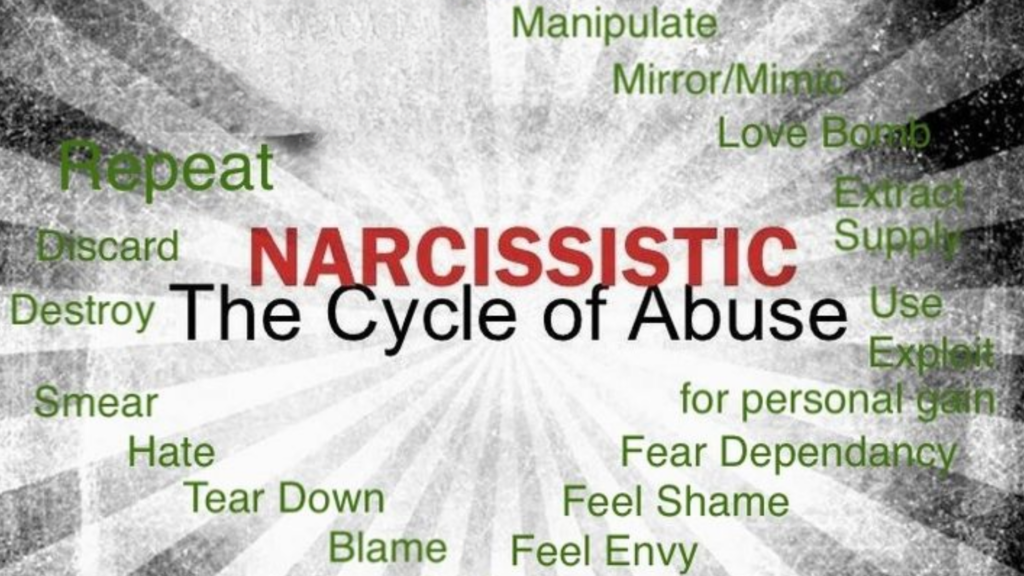
Recovery from narcissistic abuse is not about returning to who you were before. It is about becoming more aware, more stable, and more grounded in your own decisions. What once felt confusing begins to make sense. The emotional intensity starts to lose its hold. You begin to see clearly what was happening and how it affected you.
A narcissistic abuse recovery program creates that shift from survival to self-trust. It helps you move from reacting to choosing. Stability replaces confusion. Confidence builds through consistent actions. Over time, your focus shifts from the past toward building something stronger and more secure. This shift allows you to move forward with greater clarity and control.
End the cycle that kept you stuck in confusion and instability. Begin rebuilding with a narcissistic abuse recovery program that supports clarity and self-trust through my blogs. Move forward with direction, not doubt.
Frequently Asked Questions
1. What is a narcissistic abuse recovery program?
A narcissistic abuse recovery program is a structured approach to healing after emotional manipulation. It focuses on rebuilding stability, understanding patterns, and restoring self-trust through consistent steps.
2. Why is it so hard to move on after narcissistic abuse?
Narcissistic abuse creates emotional attachment, confusion, and self-doubt. These patterns affect decision-making and perception, which makes it difficult to move forward immediately.
3. Can a narcissistic abuse recovery program help rebuild self-trust?
Yes, a narcissistic abuse recovery program focuses on restoring confidence in your own judgment. It helps rebuild self-trust through consistent decisions and emotional awareness.