


I did not understand that I was in recovery from covert narcissistic abuse at first. I only knew something inside me felt fractured and unstable. The harm had been quiet, layered, and difficult to explain. There were no dramatic scenes to point to, only a slow erosion of confidence that left me questioning myself daily.
For years, I believed I was too sensitive or too demanding. I worked harder to communicate better, stay calmer, and avoid conflict. What I did not see was how subtly my reality had been reshaped. When the relationship ended, the confusion did not disappear. It followed me into silence, into stillness, and into my own thoughts.
Recovery from covert narcissistic abuse did not begin with clarity. It began with disorientation, grief, and the slow return of my own voice.
Why Recovery From Narcissistic Abuse Is So Disorienting?
Recovery from covert narcissistic abuse does not begin with strength. It begins with confusion. I did not wake up one day feeling empowered. I woke up feeling untethered, unsure what was real, and unsure whether I could trust myself again.
Quiet Abuse, Lasting Damage
When abuse is loud, it is easier to identify. My experience was not loud. It was subtle, layered, and wrapped in plausible explanations. The quiet nature of it made the recovery from narcissistic abuse far more complicated than I expected.
Here is what that quiet damage looked like in my life:
- Control framed as protection
- Criticism disguised as guidance
- Emotional withdrawal without explanation
- Public kindness paired with private dismissal
- Constant small comments that eroded my confidence
None of these moments felt dramatic alone. Together, they reshaped how I saw myself. Over time, I stopped noticing the shifts. What made recovery from covert narcissistic abuse disorienting was realizing how normalized the harm had become.
I Questioned Myself Instead of Behavior
One of the hardest parts of recovery from covert narcissistic abuse was recognizing how deeply I had doubted myself. I second-guessed my memory, my tone, and even my emotional reactions.
This is how self-doubt quietly took root:
- I apologized before understanding what happened
- I assumed I misunderstood conversations
- I minimized my discomfort to keep the peace
- I explained away behavior that hurt me
- I believed clarity would come if I tried harder
I became my own critic. That pattern followed me long after the relationship ended. Recovery from covert narcissistic abuse required separating my identity from the narrative I had absorbed.
Recovery From Covert Narcissistic Abuse
During the relationship, I was not healing. I was surviving. Survival mode feels productive, but it blocks deeper awareness. My nervous system stayed alert, scanning for tone shifts and emotional cues.
This survival pattern looked like this for me:
- Hypervigilance around mood changes
- Overthinking every conversation
- Avoiding conflict at any cost
- Prioritizing harmony over honesty
- Suppressing my own needs
Survival helped me endure. It did not help me grow. Recovery from covert narcissistic abuse truly began when I allowed myself to stop managing everything. Disorientation was not a weakness. It was the first sign that I was finally stepping out of survival and into awareness.
Looking back, the confusion makes sense. When harm unfolds quietly, awareness takes longer to form. I could not see the full pattern while I was still managing it. Recovery from covert narcissistic abuse required distance and honesty. What once felt like personal failure revealed itself as conditioning. That realization shifted everything.

Emotional Phases of Recovery From Covert Narcissistic Abuse
Recovery from this abuse unfolded in phases for me. It did not move in a straight line. I experienced clarity, then grief, then strength, then doubt again. Each phase felt contradictory, yet each one played a necessary role in rebuilding my emotional foundation.
Clarity Comes With Shock
When clarity first arrived, it did not feel empowering. It felt destabilizing. Seeing the patterns clearly meant facing what I had tolerated. Recovery from covert narcissistic abuse began with the uncomfortable realization that my confusion had been conditioned.
Here is what that first phase looked like:
- Recognizing repeated manipulation patterns
- Seeing gaslighting without minimizing it
- Feeling anger where I once felt guilt
- Realizing my reactions made sense
- Understanding I was not “too sensitive.”
Clarity was validating. It was also overwhelming. Recovery from covert narcissistic abuse forced me to reconcile truth with memory.
Grief Is Part of Healing
I did not expect grief to be so heavy. Recovery from covert narcissistic abuse meant grieving more than a relationship. I grieved time, energy, and the version of myself who kept trying to fix what was quietly breaking me.
This grief included:
- The loss of trust in my own judgment
- The years spent in emotional negotiation
- The hope that things would eventually stabilize
- The identity I shaped around survival
- The future I believed I was building
Grief did not mean I wanted the relationship back. It meant I was integrating what had happened. Recovery from covert narcissistic abuse required letting myself mourn without shame.
Trauma Bonds Complicate Covert Narcissistic Abuse
Even after clarity and grief, attachment lingered. Trauma bonds complicated my recovery from covert narcissistic abuse in ways logic alone could not resolve. My nervous system still associated emotional intensity with connection.
This complication showed up as:
- Missing someone who hurt me
- Romanticizing rare moments of warmth
- Doubting my decision to leave
- Feeling anxious in an unfamiliar calm
- Wanting relief from emotional withdrawal
Understanding trauma bonds did not erase them overnight. Instead, they surfaced in moments. Even with clarity, my emotions did not immediately cooperate.
It did not mean I lacked strength. Recovery from covert narcissistic abuse required patience with my nervous system, not judgment toward my heart. Each emotional phase built on the one before it. None of them was wasted. They were evidence that healing was actually happening, even when it felt messy.
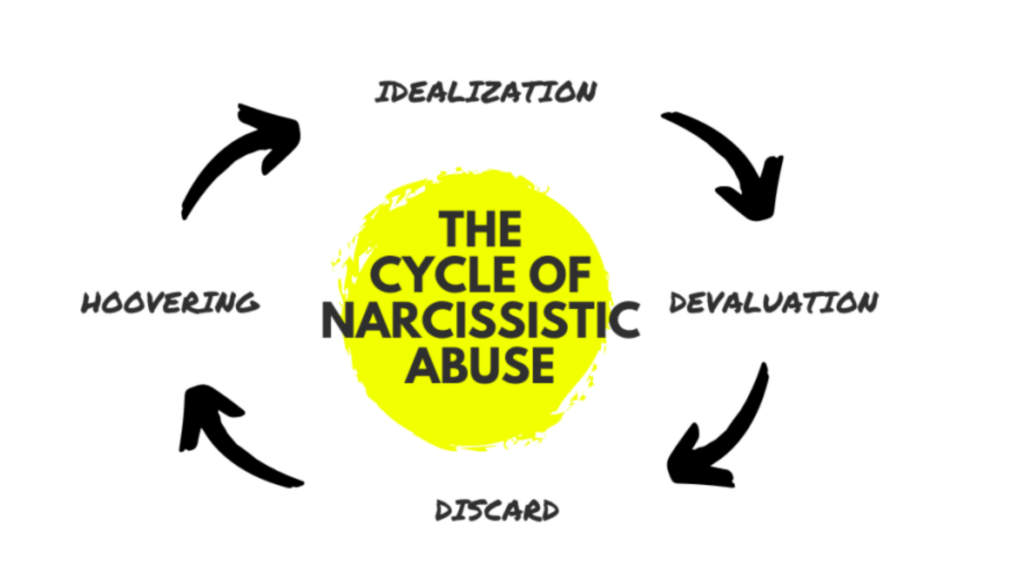
What Helped Me Heal From Covert Narcissistic Abuse
Recovery from covert narcissistic abuse did not improve because I forced myself to “move on.” It improved because I changed how I related to myself. The real shift happened when I stopped focusing on the past and started rebuilding stability inside my own body and mind.
Self-Trust Grows With Small Decisions
Recovery from covert narcissistic abuse required rebuilding trust in myself first. I could not rush that process. I had ignored my instincts for years, so I had to relearn how to hear them without immediately overriding them.
This is how I slowly rebuilt self-trust:
- Pausing before agreeing to something
- Noticing discomfort without dismissing it
- Saying no without explaining excessively
- Making small choices based on preference
- Accepting that not everyone needed to approve
These changes looked simple. They rebuilt my foundation. Recovery from covert narcissistic abuse strengthened as my self-trust strengthened.
Nervous System Regulation Changed Everything
I realized recovery from covert narcissistic abuse was not only cognitive. My nervous system had adapted to unpredictability. Even in safe environments, my body reacted as if conflict were near.
This regulation work looked like:
- Creating predictable daily routines
- Spending time in quiet without distraction
- Practicing slow breathing during stress
- Reducing exposure to chaotic environments
- Allowing rest without guilt
My body needed safety, not analysis. Calm felt unfamiliar before it felt grounding. Recovery from covert narcissistic abuse deepened when my body learned peace was not temporary.
Accepting That Healing Is Not Linear
At one point, I believed recovery from covert narcissistic abuse should feel progressive every day. That expectation created pressure. When doubt resurfaced, I assumed I was failing.
Healing actually looked like this:
- Feeling strong one week and uncertain the next
- Missing what I knew was unhealthy
- Revisiting painful memories unexpectedly
- Recognizing triggers without judging myself
- Moving forward despite emotional waves
Instead of steady progress, recovery from covert narcissistic abuse often unfolded in waves. This is what real recovery from covert narcissistic abuse actually looked like for me.
Progress was not dramatic. It was steady. Recovery from covert narcissistic abuse became sustainable when I allowed fluctuation without labeling it as regression. What helped most was consistency. I did not need massive breakthroughs. I needed repeated proof that I could trust myself again.

Hidden Identity Shift of Covert Narcissistic Abuse
Recovery from covert narcissistic abuse changed more than my relationships. It changed how I saw myself. The identity shift did not happen in one moment. It unfolded slowly, first through survival, then through awareness, and finally through rebuilding.
Who I Was Before
Before the relationship, I was decisive and confident in my judgment. I trusted my instincts. I moved through life with clarity about my values and direction. I did not constantly question my memory or emotional reactions.
I was ambitious and capable in both business and personal life. I made decisions without needing reassurance. Looking back, I see how grounded I felt in my own perception of reality.
Who I Became During the Abuse
During the abuse, my identity narrowed. Recovery from covert narcissistic abuse required first acknowledging how much I had adapted. I became more cautious with my words. I softened opinions before expressing them. I edited myself constantly.
I learned to anticipate reactions instead of honoring my own needs. My energy shifted toward maintaining emotional balance around me. Over time, I lost sight of who I had been before constant self-correction became normal.
Who I Am Becoming Now
Recovery from covert narcissistic abuse is not about returning to who I was before. It is about integrating strength with awareness. I am more grounded now, but also more discerning. I listen carefully to my internal signals.
I no longer equate endurance with loyalty. I measure strength by alignment. I choose relationships that feel stable rather than intense. That shift feels subtle, yet powerful.
This identity change feels earned. It did not come from surviving alone. It came from doing the work required to rebuild myself with intention. I had to examine patterns I once justified. I had to choose boundaries that felt uncomfortable at first. Growth required honesty with myself, not just distance from the past.
How Recovery From Covert Narcissistic Abuse Feels Now
Recovery from covert narcissistic abuse does not feel dramatic anymore. It feels steady. The intensity that once defined my emotional world has softened. What replaced it is not excitement. It is stability, and that stability changed everything.
Peace Feels Unfamiliar at First
When chaos fades, quiet can feel uncomfortable. During early recovery from covert narcissistic abuse, I felt empty. I had grown used to emotional highs and lows, so steadiness seemed almost suspicious.
Here is how that unfamiliar peace showed up:
- I waited for a conflict that never came
- I felt restless in silence
- I mistook calm for disconnection
- I questioned whether stability was “real.”
- I noticed how tense my body had been
Peace did not feel natural at first. It felt undeserved. Recovery from covert narcissistic abuse taught me that peace is not something you earn. It is something you allow.

Boundaries Feel Calm, Not Defensive
Earlier in my life, boundaries felt like arguments waiting to happen. Recovery from covert narcissistic abuse reshaped that experience. Boundaries no longer feel reactive. They feel clear and steady.
This shift looks like:
- Saying no without overexplaining
- Responding instead of reacting
- Limiting access without guilt
- Keeping conversations focused and brief
- Walking away from circular discussions
Boundaries protect energy. They do not require hostility. Recovery from covert narcissistic abuse helped me understand that boundaries are neutral tools, not emotional weapons.
Strength Looks Different Now
I used to think strength meant endurance. Recovery from covert narcissistic abuse changed that definition completely. Strength now feels quieter and more intentional.
Today, strength looks like:
- Choosing alignment over approval
- Trusting discomfort as information
- Leaving situations that feel misaligned
- Valuing calm over intensity
- Protecting my peace consistently
Strength is not loud anymore. It is stable. Recovery from covert narcissistic abuse gave me a version of strength that does not require self-sacrifice to survive. The most surprising part is this. Stability no longer feels boring. It feels powerful.
What changed most was not the external situation. It was my internal posture. I no longer brace for conflict the way I once did. Recovery from covert narcissistic abuse shifted my definition of safety. Calm stopped feeling suspicious. It began feeling earned. That shift allowed me to move through life with steadiness instead of defense.
Recovery From Covert Narcissistic Abuse Is Possible
If you are in recovery from covert narcissistic abuse, I want you to know the confusion makes sense. The doubt makes sense. The grief makes sense. Healing does not mean you failed to leave sooner. It means your nervous system is recalibrating after prolonged emotional conditioning.
Recovery from covert narcissistic abuse takes longer than most people expect. That timeline reflects depth, not weakness. You are not dramatic. You are not broken. You are unwinding years of subtle erosion and learning how to trust yourself again with clarity and steadiness.
Recovery from covert narcissistic abuse is not about proving anything to anyone. It is about rebuilding your internal stability with intention. You can read more reflections and practical insights on my blogs. Growth is possible, and it begins with understanding what actually happened.