


Healing after emotional abuse is widely misunderstood. Many assume that once a relationship ends, recovery should follow quickly. My experience has been very different. Leaving was only the beginning. The absence of contact did not erase what had already been internalized. I carried patterns with me long after the environment changed.
Healing does not start the day contact stops. The effects linger in the nervous system, in learned survival patterns, and in how I relate to myself. The abuse shaped my responses long after the environment changed. I noticed how easily I defaulted to hypervigilance and self-doubt. The relationship may have ended, but the conditioning did not.
Understanding why healing after emotional abuse takes years requires looking beneath behavior. It requires understanding survival responses, grief, self-trust, and nervous system recalibration. Recovery unfolds in layers, not milestones.
Emotional Abuse Rewires Survival Responses
Emotional abuse begins in the body. During prolonged emotional abuse, my nervous system stayed activated. I learned to anticipate shifts in tone and subtle cues. That vigilance was not a weakness. It was an adaptation. I stayed alert even in moments that appeared calm. Relaxation felt unfamiliar and sometimes unsafe. My system had learned that peace could change without warning.
Hypervigilance Becomes Automatic
I did not consciously choose to monitor moods. My body did it automatically. Healing after Covert Narcissistic Abuse meant recognizing how deeply those patterns were embedded.
It showed up like this:
- Scanning conversations for tension
- Reacting quickly to tone changes
- Bracing for conflict
- Overanalyzing neutral statements
- Feeling alert without a visible threat
Hypervigilance felt protective at first. Later, it felt exhausting. Healing requires calming what once kept you safe.
Body Reacts Before the Mind
Even after separation, my body reacted before logic. After emotional abuse, I required retraining of physical responses, not just thoughts.
It looked like:
- Racing heartbeat during disagreement
- Tight shoulders in minor stress
- Difficulty relaxing in calm settings
- Restlessness during silence
- Emotional spikes without a clear cause
My body had learned unpredictability. Safety felt unfamiliar. Breaking trauma bonds requires nervous system recalibration.

Recalibration Takes Time
I wanted progress to be visible. Instead, the changes unfolded gradually within me.
It required:
- Repeating calming practices
- Building predictable routines
- Allowing rest without guilt
- Reducing exposure to chaos
- Accepting slow progress
Recalibration cannot be rushed. It happens through repetition. Healing strengthens through consistency, not urgency.
That kind of recalibration reshaped how I understood recovery. It was not about willpower. It was about biology. My nervous system needed evidence of safety, not intellectual clarity. Healing after emotional abuse demanded patience with physical reactions that once protected me. I had to stop judging those responses as weakness. Over time, repetition replaced reactivity, and steadiness replaced survival.
The Grief That Comes After Clarity
Clarity brought relief. It also brought grief. Healing after emotional abuse required mourning what I had hoped the relationship could be. I had to face the gap between reality and expectation. That gap felt heavy and undeniable. I grieved not only the relationship but the future I imagined. Letting go of that hope was painful, yet necessary for healing after abuse to move forward.
Grieving Lost Time
Once I understood what I experienced, regret surfaced. Emotional abuse meant facing the years spent trying to heal what harmed me.
It included:
- Mourning lost energy
- Mourning misplaced hope
- Mourning ignored instincts
- Mourning delayed boundaries
- Mourning the effort I invested
Grief felt heavy but honest. It was part of integration. Healing makes space for sorrow.
Grieving the Version of Me
I also grieved the person I became. Emotional abuse revealed how much I had reshaped myself.
I had:
- Minimized discomfort
- Softened boundaries
- Overexplained needs
- Suppressed frustration
- Measured by endurance
That version deserved compassion. Not criticism. It also includes forgiving yourself. I had to recognize how hard I worked to endure what felt normal at the time.
Grief Is Not Regression
Grief felt like moving backward. It was not. Healing after emotional abuse requires emotional processing.
Grief involved:
- Feeling sadness without rushing for a resolution
- Allowing anger without self-judgment
- Sitting with disappointment
- Accepting emotional waves
- Letting clarity settle
Grief is not a weakness. It is an acknowledgment. Healing after emotional abuse deepens through honest emotion.
Clarity opened the door. Grief walked through it. I could not rebuild self-trust without first honoring what I endured. I had to allow myself to feel the weight of what happened without minimizing it. Ignoring the pain would have kept the patterns alive. Grief gave depth to my awareness. It softened the harsh judgment I once carried. Through that process, self-compassion slowly replaced self-blame.

Relearning Self-Trust After Emotional Abuse
Emotional abuse distorts perception. After emotional abuse, healing required rebuilding trust in my own internal signals. I had to relearn how to listen without immediately doubting myself. My instincts had been questioned so often that they felt unreliable. Rebuilding that trust did not happen overnight. It required repeated evidence that my discomfort was valid. Healing after emotional abuse slowly restored confidence in my own perception.
Discomfort Is Information
For years, I overrode discomfort. Healing after emotional abuse meant listening instead of dismissing.
It involved:
- Pausing before reacting
- Naming discomfort honestly
- Honoring boundaries
- Saying no without apology
- Trusting intuition
Discomfort became guidance. Not something to silence. It restores internal authority.
Small Decisions Rebuild Confidence
I did not regain trust in one moment. Healing after abuse unfolded through small choices.
Those choices looked like:
- Declining invitations calmly
- Ending draining conversations
- Setting limits consistently
- Expressing opinions clearly
- Allowing feelings without justification
Confidence returned gradually. Consistency replaced urgency. Healing after emotional abuse grows through repetition.
Awareness Prevents Old Patterns
Time alone did not change patterns. Real progress required conscious interruption. I had to notice the repetition before I could shift it.
That meant:
- Noticing familiar dynamics
- Choosing slower responses
- Avoiding emotional intensity
- Leaving unhealthy situations
- Prioritizing calm over drama
Old patterns felt comfortable. Growth felt unfamiliar. I learned that comfort does not equal safety.
Relearning self-trust reshaped my internal world. Healing after emotional abuse became less about fixing the past and more about strengthening the present. I stopped searching for explanations and started building stability. Small, consistent choices rebuilt my confidence. The focus shifted from revisiting what happened to reinforcing who I am becoming. That shift made healing feel active rather than reactive.

Why Time Alone Doesn’t Heal Everything?
Distance gave me space, but it did not automatically give me clarity. Healing after emotional abuse requires intention. Space alone did not dismantle the patterns I had learned. Without awareness, familiar dynamics quietly followed me into new situations. I learned that time reduces noise, but it does not rebuild identity. I had to participate actively in my recovery instead of waiting for time to solve it.
Familiar Dynamics Felt Comfortable
Even unhealthy patterns felt predictable to me. Familiarity created a false sense of safety. I felt drawn toward intensity because it mirrored what I knew. Calm felt unfamiliar, almost suspicious. Stability felt dull compared to emotional highs. I confused unpredictability with depth.
I mistook chaos for passion more than once. I repeated emotional roles without noticing. I overlooked early red flags because they resembled past dynamics. What felt normal was not always healthy. Healing after abuse required questioning why certain instability once felt like a connection. I had to examine why discomfort felt familiar. That awareness slowly changed my choices.
Growth Required Slowing Down
I used to believe progress meant moving forward quickly. Healing demanded the opposite. I had to slow down enough to notice my internal signals. Urgency had once felt productive, but it often masked discomfort. Moving fast kept me from feeling deeply. Slowing down forced me to sit with what I avoided.
Slowing down meant reflecting before committing. It meant checking how my body responded to new situations. Stillness felt uncomfortable at first. Patience felt unnatural. Over time, slowing down became a strength rather than a hesitation. I learned that clarity grows in quiet moments. Thoughtful pacing replaced impulsive decisions.
Change Felt Unsteady at First
New behavior rarely felt smooth. Healing after emotional abuse challenged habits I once depended on for survival. Tolerating uncertainty required practice. Choosing differently felt unfamiliar and sometimes lonely. The absence of chaos felt strange. Predictability felt foreign.
I had to accept temporary discomfort without retreating. Consistency mattered more than perfection. Growth was not dramatic. It was deliberate and repetitive. What once felt automatic required conscious effort. Each small choice reinforced new patterns. Over time, effort turned into stability.
Time created distance. Intention created transformation. Healing after emotional abuse requires both space and effort. Distance reduced intensity, but it did not rebuild my foundation. Reflection alone was not enough; action was needed. Each deliberate choice strengthened my internal stability. Change did not arrive suddenly. It accumulated quietly through awareness and persistence.
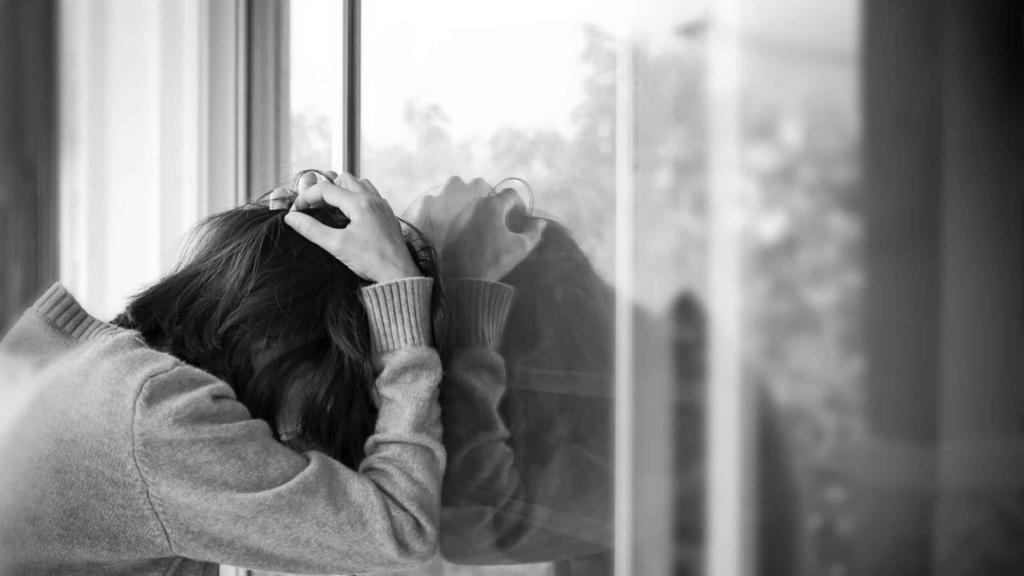
The Quiet Progress of Recovery
Progress did not look dramatic. Healing after emotional abuse looked steady. It unfolded in quiet decisions and small internal shifts. There were no breakthrough moments that changed everything at once. Instead, I noticed fewer emotional spikes and more thoughtful responses. Stability began replacing urgency. After emotional abuse, healing felt less like a transformation and more like consistent alignment.
Calm Replaces Intensity
At first, Calm felt empty. It taught me that peace does not require tension.
It appeared as:
• Longer stretches of stability
• Less reactivity
• Fewer emotional spikes
• Clearer communication
• Rest without guilt
Calm felt unfamiliar. Later, it felt grounding. Healing after emotional abuse redefines normal.
Strength Feels Different
Healing after emotional abuse changed that definition. Strength once meant endurance. I used to believe staying and tolerating proved resilience. Now I understand that real strength involves boundaries. It means choosing alignment over survival.
It now looks like:
• Leaving when necessary
• Saying no clearly
• Protecting energy
• Trusting perception
• Choosing stability
Strength feels steady. Not loud. The healing creates quiet resilience after emotional abuse.
Identity Feels Integrated
I am not who I was before. The experience reshaped me. It challenged my assumptions about love, strength, and loyalty. I see myself with more clarity now. I understand my limits more deeply.
It includes:
- Greater self-awareness
- Stronger boundaries
- Emotional clarity
- Compassion for myself
- Realistic expectations
Integration replaces urgency. Wholeness replaces chaos. Growth happens quietly from the inside out.
Progress rarely announces itself. It appears in calm decisions and steady boundaries. It shows up in quieter reactions and clearer choices. The shifts feel subtle at first. They become meaningful through repetition. It is not about returning to who I was before. It is deliberate and steady.

Healing Is a Process, Not a Deadline
It is about becoming someone grounded and self-aware. Healing after emotional abuse is not about returning to who I was before. The timeline makes sense because rebuilding identity takes time. I am not trying to recover an old version of myself. I am building something steadier and more aligned. That process cannot be rushed without losing depth. Healing after emotional abuse reshapes how I understand strength and safety.
The Healing after abuse honors biology, emotion, and identity. It requires patience with grief and nervous system recalibration. It requires consistent boundaries and compassion toward past versions of yourself. It also requires accepting that growth is uneven. Some days feel steady, while others feel raw. Healing after emotional abuse respects that rhythm instead of forcing artificial progress.
Healing after emotional abuse can feel slow and invisible. I have lived that timeline. You can find more of my reflections and lived perspective on my blogs. Strength grows quietly, but it grows.