


Recovery from emotional abuse has been the longest journey of my life. Healing did not arrive in a sudden breakthrough. It unfolded slowly through insight, doubt, and steady internal shifts. I questioned my reality and doubted my worth. Strength once meant endurance instead of self-respect and personal truth.
Emotional abuse changed how I related to myself and the world. For years, I lived in survival mode, focused only on getting through each day. There was little space for reflection or real recovery. I managed stress while ignoring the deeper wounds beneath my calm surface every single day. Clarity only came once distance created emotional and physical safety for my nervous system.
When the pressure lifted, I began true recovery from emotional abuse and started rebuilding my identity. Healing began after survival finally ended. My nervous system slowly learned that calm could last. With distance came clarity about what I had endured. That clarity allowed me to reconnect with parts of myself I had silenced.
Why Recovery Begins After Survival
Emotional abuse did not begin while I was still bracing for impact. It began when safety became steady enough for reflection. For years, I lived in survival mode and called it strength. I focused on keeping the peace and managing tension. Survival helped me endure, but it postponed healing. I had to exit the constant threat before I could truly look inward.
Living in Survival Mode
In survival mode, my body reacted before my mind understood. I constantly monitored tone shifts and facial expressions. I minimized my needs to avoid conflict.
During that time, I experienced:
- Hypervigilance around small emotional changes
- Emotional shutdown during disagreement
- Overexplaining to prevent blame
- Doubting my memory after conversations
- Fear of making simple mistakes
These responses protected me. Still, they kept me locked in reaction recovery from abuse required something different.
Surviving to Healing
Everything changed once daily pressure eased. The distance created clarity I had never had before. I could finally see patterns instead of isolated incidents.
As recovery from emotional abuse unfolded, I began to:
- Recognize gaslighting and emotional withholding
- Stop personalizing behavior that was never about me
- Feel emotions without immediate panic
- Pause before reacting
- Question long-held self-blame
Healing started when survival ended. Only then did I have room to process what happened.

Body Finally Feels Safe
Something subtle but powerful shifted when my body felt safe. Recovery required nervous system stability before deep reflection. I could not process trauma bonds while still anticipating harm.
As safety increased, I noticed:
- My breathing became slower and steadier
- I slept without constant alertness
- Small conflicts no longer triggered panic
- My thoughts felt clearer
- My reactions became less automatic
This physical safety created space for emotional abuse to deepen. Healing became possible because my body stopped bracing.
Recovery from emotional abuse could not begin while I was still bracing for harm. I had to understand what survival mode cost me emotionally. Only after consistent safety did I see how deeply my body and mind adapted. This section explains why healing begins after survival ends.
Awareness as the Turning Point in Recovery
Something deeper happened. Awareness entered quietly but powerfully. Recovery from abuse accelerated when I named what I experienced. Language replaced confusion. Understanding replaced shame. I stopped feeling lost inside my own reactions. I could finally separate facts from fear. Clarity helped me trust my perception again. Naming the pattern reduced its emotional grip. The moment I understood it, I felt less alone.
Recognizing Patterns Clearly
Once I identified patterns, my perspective shifted. Emotional abuse thrives in ambiguity. Clarity interrupted that cycle.
I began recognizing:
- Gaslighting that distorted my reality
- Emotional withholding is used as punishment
- Shifting expectations that kept me off balance
- Blame that redirected responsibility
- Conditional approval tied to compliance
Naming these patterns helped me stop internalizing them, and recovery required truth before transformation.
Separating Identity From Conditioning
Awareness also changed how I saw myself. I had absorbed narratives that were never mine, and covert narcissistic abuse required untangling my identity from conditioning.
I started to understand:
- My reactions were learned survival responses
- Anxiety developed from unpredictability
- Self-doubt came from repeated invalidation
- Overfunctioning masked fear
- Silence protected me from escalation
Understanding this brought relief. I was not broken. I was conditioned.
Reclaiming My Internal Narrative
Awareness helped me challenge the story I believed about myself. Recovery from abuse meant rewriting narratives shaped by manipulation. I began questioning assumptions I once accepted as truth.
I started to notice:
- I was not too sensitive
- My memory was not flawed
- My needs were not excessive
- My reactions made sense
- My voice deserved space
Recovery from abuse strengthened when I reclaimed authorship of my story. My identity no longer revolved around someone else’s distortions.
Once survival was settled, something more intellectual unfolded. Recovery from emotional abuse required awareness and honest reflection. I needed language for what I experienced before I could release it. This section explores how clarity reshaped my identity.

Rebuilding Stability During Recovery From Abuse
Gradually, the work became practical. Insight alone was not enough. Emotional abuse required rebuilding stability from the ground up. I needed emotional regulation, not just awareness. Understanding the pattern did not automatically calm my body. My nervous system still reacted quickly to stress. I had to practice steadiness repeatedly. Small habits became more important than dramatic breakthroughs. Consistency, not intensity, began shaping my healing after emotional abuse.
Rebuilding Emotional Stability
I began practicing small, steady shifts. Progress felt quiet but meaningful. I began practicing small, steady shifts. Progress felt quiet but meaningful.
I focused on:
- Pausing before responding
- Grounding myself during stress
- Honoring boundaries without overexplaining
- Allowing discomfort without panic
- Regulating my breathing in tense moments
These habits strengthened my nervous system. The recovery became less reactive and more intentional.
Need for Validation
Another layer surfaced unexpectedly. Emotional abuse trained me to seek approval for safety. Recovery from emotional abuse required releasing that pattern.
I worked toward:
- Trusting my feelings without outside confirmation
- Making decisions without constant reassurance
- Accepting disagreement without collapse
- Valuing my needs equally
- Redefining strength as self-respect
This shift restored autonomy. I no longer chased validation to feel secure. Instead, I began building internal stability that did not depend on anyone else.
Practicing Self-Trust Daily
Rebuilding stability required daily repetition. It strengthened through consistent self-trust. I practiced choosing myself in small decisions.
I reinforced self-trust by:
- Honoring my limits without apology
- Saying no without lengthy explanations
- Checking my feelings before seeking advice
- Making decisions without outside approval
- Accepting mistakes without self-punishment
Recovery from emotional abuse became sustainable when I trusted myself consistently. Stability grew from repeated alignment with my own truth.
Insight alone was not enough to sustain change. Recovery from abuse demanded practical rebuilding and daily discipline. I had to retrain my nervous system and relearn self-trust. This section focuses on the tools that stabilize healing.

Nonlinear Reality of Recovery From Emotional Abuse
Recovery from emotional abuse did not unfold in a straight, predictable line. Even with tools and awareness, healing moved in layers. Some days felt grounded and steady. On other days, I was pulled back into old reactions. This section reflects the emotional core of that journey.
When Progress Felt Fragile
There were weeks when I felt strong and clear. Then a small trigger would shake that stability. A tone of voice or familiar silence could stir anxiety quickly. My nervous system reacted before my logic could intervene.
At first, I judged those moments harshly. I believed Recovery from emotional abuse meant never struggling again. That belief created unnecessary pressure. Over time, I realized progress meant responding differently, not perfectly.
Compassion Instead of Criticism
Instead of spiraling, I began pausing. Instead of blaming myself, I practiced curiosity. I asked what each reaction was teaching me. I listened to my body rather than silencing it.
Recovery from emotional abuse is strengthened through compassion. I stopped measuring strength by endurance. I started measuring it by self-respect. That shift changed how I viewed setbacks. They became information, not failure.
Rebuilding Identity From the Inside
As healing deepened, grief surfaced unexpectedly. I grieved the years spent doubting myself. I grieved the version of me that tolerated self-abandonment; recovery from emotional abuse required mourning before rebuilding.
Slowly, I reclaimed my identity. I trusted my perception more consistently. My boundaries felt clearer and steadier. Emotional abuse became less about escaping pain. It became about fully returning to myself.

Over time, the work felt less like effort and more like alignment. I no longer fought myself internally. Recovery from abuse reshaped my definition of strength. Strength became clarity, boundaries, and self-respect. The road has been long, but it led me back to my own voice. I trust that voice now without constant second-guessing. I make decisions from steadiness rather than fear. What once felt fragile now feels grounded and intentional.
What Sustainable Growth Looks Like in Recovery
Recovery from emotional abuse eventually moved beyond crisis repair. It became about integration and sustainable change. I stopped focusing only on what happened. I began focusing on how I wanted to live going forward. This stage felt steadier and more intentional.
Nervous System Regulated
I can now recognize when my body feels safe. Recovery strengthened as my nervous system stabilized. Calm no longer feels unfamiliar.
I now notice:
- I recover faster after stress
- My breathing stays steady during conflict
- I sleep without constant alertness
- I tolerate silence without panic
- I feel grounded during difficult conversations
These signs remind me how far recovery from emotional abuse has brought me.
Healthier Relationship Standards
My expectations in relationships changed significantly. Recovery from emotional abuse reshaped what I consider acceptable. I no longer normalize inconsistency or emotional confusion.
I now require:
- Clear communication
- Mutual accountability
- Emotional availability
- Respect for boundaries
- Consistent behavior over time
Recovery from emotional abuse taught me that stability is not too much to ask.
Living From Self-Respect
The biggest change has been internal. Recovery from emotional abuse strengthened my relationship with myself. I no longer abandon my needs to maintain peace.
I now practice:
- Saying no without overexplaining
- Choosing alignment over approval
- Valuing peace over validation
Recovery from emotional abuse continues, but it feels grounded now. I move forward with clarity instead of survival.
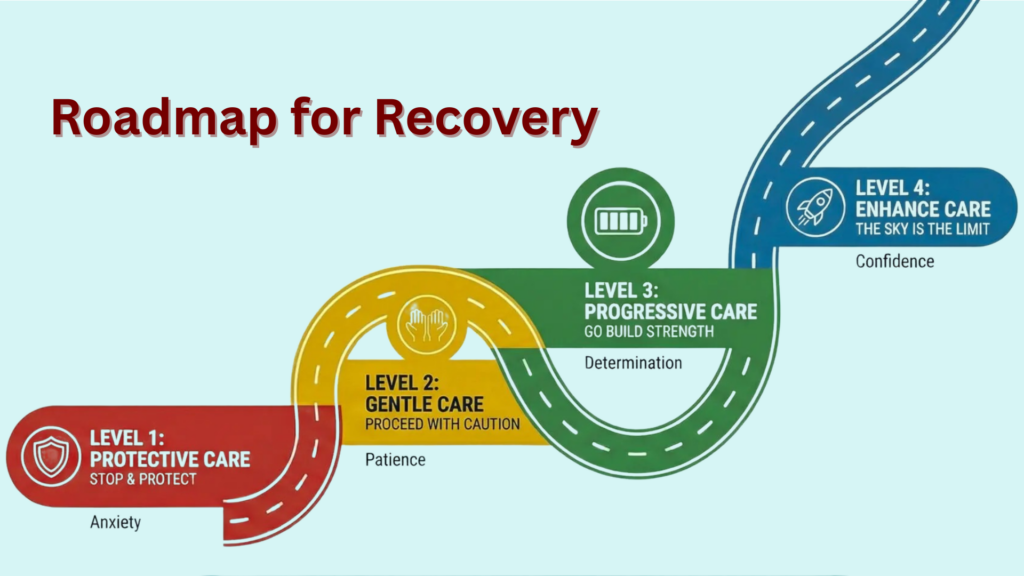
Sustainable growth no longer feels dramatic or reactive. Recovery from emotional abuse has shifted from survival to intention. Regulation, stronger standards, and self-respect now guide my choices. What once felt fragile feels steady. I am no longer rebuilding from a crisis. I am living from clarity, stability, and alignment.
Leaving a Trauma Bond
Leaving a trauma bond reshapes more than a relationship. It reshapes how you define safety, strength, and connection. The process may feel uneven at times. That unevenness does not signal failure. It signals recalibration. Stability develops through repetition, not intensity.
Leaving a trauma bond requires deliberate choices that protect your nervous system and your identity. Progress rarely announces itself loudly. It appears in boundaries, quiet confidence, and reduced recovery from emotional abuse volatility. Each consistent decision weakens old attachment patterns and strengthens internal clarity.
Leaving a trauma bond becomes sustainable when awareness turns into steady action. Continue exploring deeper insight on my blogs as you strengthen your clarity and confidence. Each consistent step builds stability and restores self-trust.